

Selling a house involves numerous factors, including pricing. Many Georgians wonder what it means to sell their property below market value. Knowing what to do if you need to sell your property quickly for personal or professional reasons is crucial. This book discusses purchasers’ and sellers’ legal issues, including their causes and effects. It gives folks in one of the South’s liveliest towns everything they need to make this tough choice.
Key Highlights
- Georgia may undercut prices to boost sales due to money or strategy concerns.
- Location, property quality, and a buyer-friendly economy determine Georgia’s market value.
- Georgia real estate statistics suggest high demand since Atlanta’s rising population wants simple access.
- Cash buyers prefer “as is,” which may mean lower prices and more legal disclosure.
- Planning modifications, staging, and knowing the market and money yield the finest Georgia home sales results.
Understanding Market Value in Georgia
You must know the market value of your Georgia home to sell it. A buyer usually pays market value for a residence. The Georgia real estate market and house attributes determine this amount. This section explains how Georgia home prices change and why purchasers may lower them.
Factors Affecting Market Value in Georgia Homes
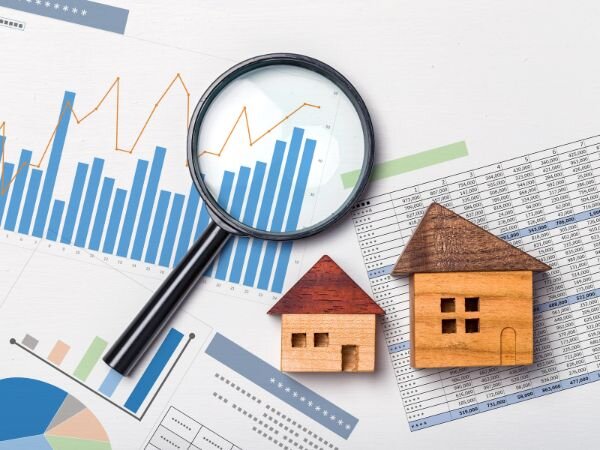
Location and quality affect Georgia properties’ market values. Significant economic data and real estate value fluctuations are vital. Georgia’s real estate market changes as the economy grows. This is evident in Atlanta. Because people demand work and facilities, a property’s location, especially near Atlanta, may increase its value. Crime, schools, and new buildings should also be considered by buyers. The market may value a home more after these changes.
Property condition affects market value. Well-kept or new homes cost less to fix, thus people prefer them. A home’s market worth depends on its age, construction, and recent upgrades. Though lovely, Georgia’s historic homes may be less enticing than new residences because they cost more to maintain. Value changes with the market. The local economy and interest rates may affect homebuying interest and value.
Real estate taxes, incentives, and business, especially Georgia’s unemployment rate, can affect market value. Capital gains and estate taxes can affect land values due to economic changes. Real estate professionals determine these home-value factors. Sellers must know these elements to set a reasonable price that reflects the home’s Georgia worth. New appliances and floors in a Georgia homeowner’s kitchen can increase its worth. Install energy-efficient water systems and faucets in your bathrooms. Maintain the lawn, paint the house, and beautify the front entrance to boost curb appeal. Install insulation and solar panels to attract eco-conscious buyers. Create a gym or home office in vacant spaces. Fix problems immediately to maintain a property’s value. Add smart home technologies to simplify and appeal to modern people. Improve decks and gardens to enjoy them more. Use simple colors to draw folks to the new paint. Hardwood flooring is durable and attractive. Following these strategies will increase buyer interest in your house, making it more competitive in Georgia’s fast-moving real estate market.
Why Sell Below Market Value?
Selling a house in Georgia for less than its market value may seem odd, but there are perks. Georgians may select this path for political, financial, or personal reasons. If you’re having difficulties paying your mortgage or avoiding debt, you may want to sell your home soon, even for less. Selling below market value may speed up the sales process for purchasers who need cash immediately.
Due to inheritance issues, selling land fast is crucial. When selling something below market value, estate and gift taxes may apply. Heirs can avoid lengthy and acrimonious property division by quickly settling for less than the market value. People may sell their house for less to give money to their family without paying taxes.
There are additional market timing methods. When the market is slow or competitive, offering anything below its market value may attract buyers, leading to competitive bidding and a sale for more than the estimate. These measures may assist Atlanta properties if low prices attract more buyers.
Buyers seeking a deal may like a house offered “as is.” Sellers can enjoy more freedom to customize the house and save money on repairs. Selling for less than market value may feel like a loss, but strategic gains may exceed the negatives, balancing economic rewards with emotional relief.
Navigating the Georgia Real Estate Market
In busy cities like Winfield, Georgia’s real estate market offers sellers new risks and opportunities. Your house will sell faster if you know the market and when. Georgia’s real estate sector offers effective selling strategies from consumer behavior to market cycles. Georgia’s real estate market and when to move are covered here.
Current Trends in Georgia’s Real Estate
Georgia has a changing real estate market. Local and national factors cause these changes. Atlanta, one of the fastest-growing U.S. cities, is ideal for families and young workers. This requires multiple housing options. Newcomers have raised housing demand and changed consumer preferences. Luxury residences near cities are becoming more popular. People desire to buy Georgia homes near public transportation and work areas because they’re more convenient and offer a higher quality of life. The Georgia real estate market prices homes by location, as this graph indicates.
New tools have transformed home advertising and sales. Online listings and virtual tours let buyers see residences without living there. This increases buyer prospects. Due to this digital shift, Georgia home sellers need effective digital marketing to stand out in a crowded market. More online visitors can help you sell your home faster or for less.
Capital gains taxes may influence purchasers, changing Georgia’s real estate market. A sluggish market may help you sell your house for less than market value and avoid high capital gains taxes, and speed up the process. Sellers utilize a stronger state economy to attract cash purchasers. These factors affect the Georgia real estate market and help us predict home prices and investment returns.
Atlanta is Georgia’s economic hub, and new firms are encouraging homebuying. Families seeking larger houses are relocating to Atlanta suburbs in growing numbers. These vendors may sell during peak demand to capitalize on a solid market. Local and national economic issues affect Georgia’s housing market. If purchasers follow these tendencies, they may obtain the most for their houses.
How to Determine the Right Time to Sell

Time is crucial in Georgia real estate. The deal requires selling at the correct time. Buying patterns vary by season. The busiest times are spring and early summer. Early-school-starters are interested in buying throughout these months. Winter may take longer to sell a house because of lower demand, but those who are willing to wait may obtain greater bids. These trends should be considered by home sellers.
Market value is affected by the business, not only by seasons. Interest rates, inflation, jobs, and other economic variables affect the market. Low lending rates encourage buyers, making it an ideal opportunity to sell quickly for a fair price. When borrowing rates are high, being transparent about prices attracts purchasers who want to buy now, keeping the market liquid. Georgia purchasers should follow local and national economic news to see how market changes will affect their house values.
Consider local market conditions when selling. New companies and better public transportation could attract many people to the Atlanta area. These changes may encourage homebuyers, raising prices and making now the greatest time to sell. Realtors who know local eccentricities may be able to assist purchasers schedule things for the most money and fastest outcomes. Working with cash buyers in Georgia eliminates financing delays and price renegotiations. Contact Swift Cash House Buyer for more Details.
Capital gains taxes should be considered when selling. Sellers pay less in taxes when they predict lower gains. This strategy sells high-value homes well. Finally, employing market data, economic forecasts, wise timing, and professional aid, Georgia home sellers may maximize their profits. Sellers must adjust to the state’s evolving real estate market.
Pros and Cons of Selling a Georgia House As-Is
Many Georgia homeowners desire to sell their homes “as-is.” This speeds up transactions and reduces maintenance. Know the advantages and cons before choosing. More cash purchasers can avoid costly house maintenance. However, a “as-is” sale may require poor offers and legal and inspection issues. Even when selling a house below market value to a cash buyer, proper ownership documentation is required. Learn more about whether you need a deed to sell a house in Georgia.
Benefits of Selling As-Is
To simplify the process, selling a Georgia house as-is has benefits. This benefits cash purchasers who wish to acquire rapidly. Cash buyers typically rent property and make repairs immediately. The agreement can close faster for both sides. Sellers may save time and money by not fixing and staging. Bringing older or requiring homes up to market standards is difficult and expensive. Sellers can skip this.
Georgia real estate buyers, especially in Atlanta, like fixed-up properties. Always looking for houses to fix up and resell. These markets allow vendors to sell their products rapidly without repair requests, which can hinder the sale. In markets with many sellers, a “as is” sale might rush buyers, making them make judgments quickly and possibly make several offers. High demand can help sellers compete, especially for below-market houses. This is helpful when buying a property in a crowded market like Atlanta, where new people move in, and locations grow quickly.
Sell anything “as is,” which is better for speed and convenience over price. It reduces transaction costs by eliminating real estate brokers and contractors. Fewer conditions make as-is deals easier to understand and plan for. Clarity and less complexity let people move fast or solve financial issues. Finally, in fast-moving real estate markets like Georgia, selling a home “as is” might help people sell quickly.
Potential Drawbacks of an As-Is Sale
Georgia homeowners should weigh the merits and downsides of selling. Bids below market value may worry you. Buyers, particularly wealthy ones, expect prices to drop to meet repair risks and costs. This may affect the price, so purchasers should consider if a “as-is” sale is worth the extra money. Saying “as-is” may give buyers the idea that the property needs a lot of maintenance, which may deter quick bidders.
Another issue with as-is transactions is land inspection. Buyers might request an inspection to determine the house’s condition without the seller making repairs. Buyers may demand a higher price reduction or inspection-based conditions in future negotiations. In these cases, selling as-is might be difficult and time-consuming, reducing its benefits. Some banks may not provide money for homes that need a lot of work, reducing their availability.
As-is deals can cause legal issues. The seller must disclose house issues to the buyer for legal reasons. Buyers can sue sellers for hidden issues. Given this legal risk, you should carefully consider Georgia’s severe disclosure regulations and possibly consult a real estate professional. When an item is sold “as is,” buyers may think the seller is desperate, leading to tight negotiations.
Selling a house with multiple heirs can add another layer of complexity. If the property is inherited by several family members, all legal heirs typically must agree to the sale and sign the necessary documents. Disagreements between heirs can delay the transaction or even lead to court involvement. In some cases, the property may need to go through probate before it can be legally transferred. Clear communication among heirs, a formal agreement outlining how proceeds will be divided, and guidance from an experienced real estate attorney can help prevent disputes and ensure the sale moves forward smoothly.
Last, selling goods as is may not assist the market in achieving its goals. In fast-growing cities like Lexington, homes quickly appreciate. If you sell it as is, you may lose market gains. Before selling “as-is,” sellers should consider their local market and future. Selling as-is has positives and cons, and the seller must be careful to meet their aims and the market’s.
Steps to Sell Your House in Georgia
Planning is essential to selling your Georgia home. You must meticulously arrange everything from home preparation to closing in busy Do You Need a Deed to Sell a House in Georgia. Fixing and displaying your home for sale is crucial. You must understand taxes, stock gains, and market pricing to avoid difficulties. Real estate brokers identify buyers and negotiate skillfully to sell your home. These steps will sell your Georgia home rapidly.
Preparing Your Georgia Home for Sale

Find out what local buyers demand before selling your Georgia house. Grovetown and other Georgia cities are good and poor for selling. Sellers could fix and improve their home to highlight its best aspects to sell faster and for more money. First impressions matter when selling a house, so street attractiveness is crucial. New paint or landscaping can improve the exterior of your property, making it more appealing to purchasers. Consider several internal changes that will attract local buyers. Remodeling kitchens and bathrooms can increase their value because many people want modern, functional ones.
Smart furniture placement makes your property look better and helps purchasers imagine living there. Fit interior design to local tastes and styles. To let the customer customize the room, choose neutral colors, and don’t overdo it. You may wish to engage Georgia real estate-savvy photographers or stagers. First impressions matter, so updating your home’s online appearance may be worth it. Repairs are necessary before selling your home. Repair structural damage, roof leaks, and obsolete electrical systems. People migrating to fast-growing areas like Atlanta, Georgia, desire ready-to-move-in homes. If you delay these repairs, you may get less for your house or have to wait longer for the market to open, making it tougher to sell.
Understand how selling will affect your money, including its appearance and upkeep. Know how buyers work and what the market wants to get better deals and generate more money. Compare local sales to set a fair but competitive asking price. This is crucial if you’re selling for less than the home is worth to reach cash bidders quickly or prevent large fix bills. Get the records and disclosures Georgia’s real estate laws demand to avoid trouble. Expert real estate agents who know your market can advise you. Capital gains and estate tax issues can be resolved for a seamless house sale. Brokers sell properties and leverage their contacts to attract first-time and investor purchasers.
Sellers who prepare their Georgia house for sale may obtain more buyers in a tough market. This method accelerates the transaction and maximizes the seller’s profit, which the market can handle. You must know the area and be a professional to anticipate issues that could derail purchasers in Georgia’s bustling real estate market.
Can I sell my house below market value in Georgia, and if so, why might I want to?
Selling your Georgia home? Don’t overprice. Selling rapidly may be done to prevent default, raise funds, or solve financial issues. In a stagnant market, selling below market value can attract buyers
What factors influence a property’s market value in Georgia?
Home location, features, economic trends, and market conditions determine Georgia property values. Property quality, recent changes, and proximity to cities, local amenities, and career opportunities are all significant.
What are the benefits of selling a house as-is in Georgia?
Selling your Georgia house as-is may get you cash. This speeds up repairs and saves money. These arrangements have fewer constraints, which may appeal to buyers who want to fix up and sell the house quickly.
How does the real estate market in Georgia impact selling decisions?
Population increase and high demand affect Georgia real estate sales. Families and professionals raise housing demand, making well-developed, accessible properties more expensive.
What should sellers in Georgia consider when timing their home sale?
Consider the local market, weather, economy, and taxes when selling. Spring and early summer are buying seasons. Economic issues like interest rates can also affect the market and the optimum time to sell a home.
Helpful Georgia Blog Articles
