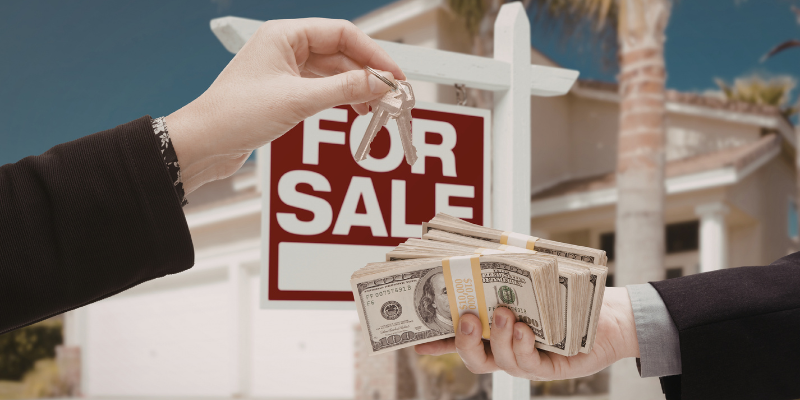
When selling a home in Pennsylvania, it is important to know how much realtor fees are in order to not lose money selling your home. Real estate agents typically get paid a fee based on how much your home sells for. This amount can be higher or lower depending on factors such as the area, how much the agent sells homes for, the agent’s commission, or the listing price of your home. Because of these different factors, it is important to understand average commission rates in Pennsylvania. This article will discuss the commission structures you can expect to see, the average fees you can expect to have to pay for realtors in PA, and how to get the most of your money back when selling your home.
Brief Overview
For homeowners in Pennsylvania, understanding realtor commissions is helpful, as they tend to be around 5-6% of the sale price of your home. Commissions are negotiable from seller to realtor and are dependent on location and the complexities of the service provided. Sellers should consider other options and different structures for commissions, as they may find more advantageous financial offers with traditional or low-commission real estate firms. Selling is more profitable the more knowledgeable the seller is on the final price impact of closing costs. Real estate is negotiation- and strategy-based, and Pennsylvania is no different from the other states in this regard.
Key Highlights
- Realtor commissions in PA typically range from 5% to 6%, impacting a seller’s net proceeds from a home sale.
- Commissions are calculated as a percentage of the sale price and can be negotiated between the seller and the listing agent.
- Low-commission real estate companies in PA offer reduced fees, leveraging technology and streamlined processes.
- Closing costs, including transfer taxes and title fees, significantly affect net proceeds from selling a house.
- Sellers can reduce costs by understanding market trends, negotiating fees, and choosing cost-effective service models.
Understanding Real Estate Commissions in Pennsylvania

The structure of realtor fees and commissions can be one of the more complicated factors of the Pennsylvania real estate market. Despite the fact that real estate agents in Pennsylvania assist in optimizing the home-selling process, their services are highly priced, and the cost is highly variable. This section will explore the details of real estate auction commissions in Pennsylvania with a special focus on how commissions are determined, as well as the mean commission rates. This will help potential sellers understand the cost related to the selling process.
How Commissions Are Calculated
In Pennsylvania real estate, commission structures are established before listing a property and are based on a percentage of the home’s final sale price, agreed upon between the listing agent and the property owner. The total commission fee is then split between the listing agent and the buyer’s agent, meaning that the buyer’s agent often receives a commission based on a percentage of the home’s final sale price. As a result, commission fees are influenced by the home’s final sale price, and the buyer’s agent commission is influenced by the price the buyer offers. All of these details are contained in the listing agreement, where the commission structure and terms of payment are outlined.
Since commission structures can vary, in order to avoid confusion, it is best to discuss commissions closer to the beginning of the process. Additionally, based on market conditions, property types, service levels, and property location, commission structures will be instituted differently in these varying aspects. You can clear a budget and avoid confusion by establishing these parameters, which will ultimately lead to a less complicated process of selling the home.
Enhancing your understanding of real estate commissions can significantly optimize your selling strategy:
- Inquire about commission tiers based on sale price range when negotiating with your agent.
- Compare the services offered by different agents to identify who provides the best value.
- Evaluate market conditions to set realistic commission rates that align with local standards.
- Discuss potential commission rebates or discounts if self-procuring a buyer.
- Prioritize transparency in all commission-related discussions to prevent any future misunderstandings.
- Consider using online platforms to compare local realtor fees and service reviews.
These insights will help you make informed decisions and maximize returns during your real estate transaction.
Average Commission Rates in Pennsylvania
In Pennsylvania, the average real estate commission rate sits at about 5%-6% of a home’s sale price, while some may go even lower or higher depending on current market conditions, location, and the type of service the agent is providing. Commission fees are completely negotiable and are typically a reflection of the amount of marketing, expertise, and assistance provided during the selling process. The sellers must take into consideration how commission fees will affect their overall profit of the home and should take the home’s value and demand of the market into consideration as well.
In large urban areas such as Philadelphia and in comparatively rural areas, the commission fees tend to be higher, as in areas such as Philadelphia, the agents will market the property in a more extensive way, while in rural areas, they may do less extensive marketing and therefore charge lower commission fees. More services such as pricing strategy, transaction management, and staging advice are more typically offered by full-service agents, who may tend to charge more, but overall sellers should evaluate all of their options, and in order to get the commission to align with their pricing, they should evaluate the market as well as their options to assist in maximizing the amount of net profit they receive from the sale.
Negotiating Commission Rates in Pennsylvania
For Pennsylvania homeowners, negotiating commission rates can be the difference that determines how financially rewarding selling a house will be. Successfully negotiating commission rates will mean that less commission will be deducted from the profits of selling the house, and therefore, the sale becomes financially more rewarding. In this part, we will discuss useful methods of dealing with commission and the advantages of dealing with a real estate company that has a low commission. In both cases, the seller takes home a larger share of the sale price, thereby increasing the seller’s price margin.
Tips for Lowering Commission Fees
Home sellers in Pennsylvania can save more money on their home sales by lowering commission fees. Since real estate commission sales usually go for 5-6% of the home cost, Pennsylvania sellers would want to know the commission rates in the area to negotiate better. Sellers may want to allow potential buyers to negotiate commissions, as less valuable or less desirable properties may give the agent more flexibility to negotiate commissions. Sellers may also use multiple agents’ reviews to “compete” against one another to negotiate lower commission agreements.
Negotiation of selling a home relies on communication and flexibility. Some realtors may be more willing to negotiate commission rates for the seller if the seller agrees to their own conditions, like a longer duration in the listings. Sellers who are willing to take on the responsibility of listing the home on the Venda Real Estate Services whiteboard may also find additional savings. Commission structures that allow for savings to the seller while still accomplishing the sale of the home should be shared with the selling realtor to ensure that unrealistic expectations are prevented.
Working with a Low-Commission Real Estate Company
Pennsylvania home sellers can still retain necessary services for a successful sale at a low-commission real estate company. These companies make use of technology and cost-conscious operating systems that help them keep their commission rates as low as 1-2% as opposed to the 5-6% that most companies charge. Many of these companies still offer MLS listings, professional photos, price guidance, and marketing, as well as the other fundamental services that these companies offer. With a low-commission company, home sellers can save even more.
Unfortunately, these low-commission real estate companies often require more hands-off work. For clients who prefer a more digital experience, with less interaction, they must be willing to accept more communication through digital means, as opposed to face-to-face. Thorough research of a company’s history, reputation, and available reviews can greatly benefit clients. Contract reviews are necessary to understand the scope of services that will be provided for the price. With the right selection process, low-commission real estate companies can offer the right mix of effective marketing at a low cost and an easy sales process.
Understanding Closing Costs in Pennsylvania
Pennsylvania home sellers need to understand the closing costs affecting the net proceeds from the sale of a home. Many home sellers miss some of the closing costs, which could enable them to profit more from the sale of the home. This article will provide some of the components of closing costs and how to mitigate the impacts of closing costs to level the net costs of a home sale. After discussing the impacts and components of closing costs, it is expected that Pennsylvania home sellers will be better positioned to manage their home sale costs.
What Are Closing Costs?
Closing costs are the fees and expenses that are involved with completing a real estate transaction. In Pennsylvania, these costs are directly related to the amount of money a seller walks away with after a sale. Most commonly, these costs are associated with the local transfer taxes. In Pennsylvania, transfer taxes differ from city to city and county to county. In some areas, like Philadelphia, the transfer taxes can be quite high. Other closing costs include title insurance, the remaining mortgage balance, and ownership prorated taxes that are due before the ownership is transferred. Knowing these costs allows sellers to know their net proceeds and to prepare financially for closing.
A home warranty, inspections, legal settlement, administrative services, and deed recording are additional closing costs that may be incurred. Some of these costs can be negotiated based on the current market and requests from the buyer. These closing costs are usually deducted from the seller’s proceeds and are listed on the closing statement. By preparing and reviewing the closing costs in detail, the seller will be able to know what to expect and to approach the sale with confidence.
| Type of Closing Cost | Mandatory state tax affects total sales profits. | Variability Factors | Strategies for Management |
|---|---|---|---|
| Real Estate Agent Commission | Significant reduction in net proceeds as it’s a percentage of the sale price. | Negotiable based on agent experience and market conditions. | Negotiate a lower rate or consider a discount brokerage. |
| Title Insurance | Necessary expense for buyer protection, reducing net gains. | Professional fees can slightly decrease total earnings. | Shop around for the most competitive rates. |
| Transfer Tax | It can vary based on the provider and home value. | Varies by county and local municipality ordinances. | Inquire about possible local rate reductions or exemptions. |
| Attorney Fees | It depends on the attorney’s experience and the complexity of the sale. | Depend on the attorney’s experience and the complexity of the sale. | Engage in a flat-fee arrangement or seek recommendations for cost-effective services. |
| Home Repairs/Improvement Costs | May lead to lower net proceeds if extensive repairs are required. | It depends on the home’s condition and the buyer’s negotiation power. | Conduct a pre-sale inspection to address major issues proactively. |
This table summarizes closing costs and offers sellers clear strategies to maximize net proceeds in the Pennsylvania real estate market.
The Impact of Closing Costs on Total Sale
Home sellers in Pennsylvania have to take closing costs into account when determining how much money they will take home from the sale of the house since the sale price is not the same as the amount of money they take home. For example, sellers have to pay transfer taxes, realtor fees, and settlement costs, and those fees are subtracted from the gross amount to determine how much money the sellers actually receive. In Pennsylvania, transfer taxes are about 2% or more of the selling price, and realtor fees are 5% to 6%. This is why it is essential to understand and prepare for the costs in order to avoid selling for way less money than expected and to avoid being unprepared for the costs.
Costs that are incurred from selling the house may, however, be negotiated and avoided. For example, in some real estate markets, it is possible to be at a zero-cost closing or to take on costs that might be viewed as detrimental. In closing, selling a house depends a lot on how a seller takes control of the sale. Planning in advance, smart pricing, and good market awareness pay off in the end. The earlier a seller understands their real expectations, the more confident they should be as they get to the closing table.
In summary, while the average realtor commission in Pennsylvania hovers around 5% to 6%, sellers should consider service quality alongside cost. Choosing a skilled realtor can streamline the sales process, potentially leading to a higher final sale price and a quicker transaction. Sellers should discuss commission structures openly with potential realtors to ensure mutual understanding and satisfaction. By doing so, homeowners can make informed decisions that align with both their financial goals and their need for expert guidance through the complexities of a real estate transaction. For expert advice, contact Swift Cash House Buyer today.
Wondering how much a realtor charges to sell a house in Pennsylvania? Skip high commissions, lengthy listings, and expensive repairs by working with Swift Cash House Buyer. As trusted cash home buyers in Doylestown, PA, and a reliable company that buys homes in Pennsylvania, we provide fair cash offers and handle every detail from start to finish. Our simple process helps you sell quickly without stress, showings, or hidden fees. Ready to sell or have questions? Call us at (610) 590-9845 for a no-obligation cash offer and get started today!
FAQs
What are typical realtor commission rates in Pennsylvania?
The average Pennsylvania realtor commission is 5% to 6% of the home’s sale price. Sellers and realtors negotiate these rates.
How are Pennsylvania realtor commissions split?
Although brokerage policies and negotiated agreements vary, the listing agent and buyer’s agent split the commission.
Are there low-commission real estate companies in Pennsylvania?
Yes, some low-commission real estate companies use technology and streamlined processes to lower fees for sellers.
What impact do closing costs have on home sale proceeds?
Closing costs, including transfer taxes and title fees, significantly affect the net proceeds from a home sale. Understanding these costs can help sellers optimize their financial outcomes.
What can Pennsylvania sellers do to lower realtor fees?
Knowing the standard commission rates, comparing agents, and communicating their needs can help sellers negotiate lower realtor fees.
Helpful Pennsylvania Blog Articles
- Can I Switch Real Estate Agents in Pennsylvania?
- Can You Sell a House That Failed Inspection in Pennsylvania?
- How to Sell a House with a Squatter in Pennsylvania
- How to Sell a House with Mold in Pennsylvania
- Selling My Parents’ House in Pennsylvania
- Taxes When Selling an Inherited Property in Pennsylvania
- Can an Executor of a Will Sell Property in Pennsylvania?
- Selling a Condemned House in Pennsylvania
- How Much Does a Realtor Charge to Sell a House in Pennsylvania?