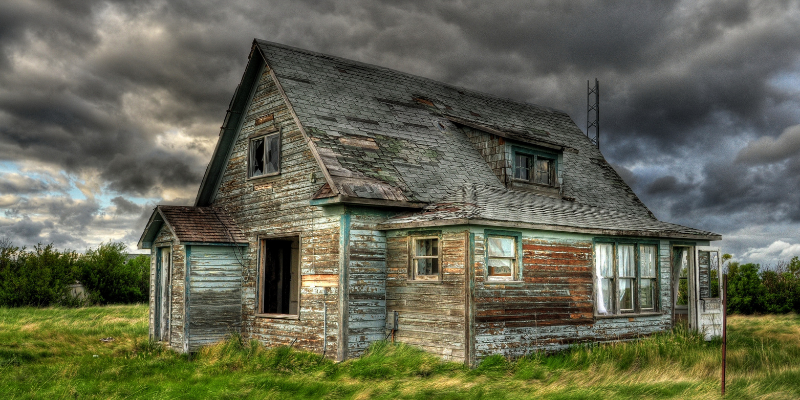
Selling a condemned house in Pennsylvania can be a daunting task, but it is achievable with the right approach and understanding of local regulations. This guide offers insights into the intricacies of selling such properties, providing valuable strategies for homeowners looking to navigate the legal and practical challenges of their situation. From understanding condemnation laws to finding the right buyers, Swift Cash House Buyer can help you take the essential steps needed to successfully sell a condemned house while maximizing your property’s potential value. Whether you’re dealing with structural issues or legal hurdles, this guide is designed to assist you every step of the way.
Brief Overview
In Pennsylvania, selling a condemned house means knowing the law and strategically deciding on the best option available, such as renovating or selling the property as is. A property can be condemned if it cannot be occupied for stated reasons, such as safety or health violations. However, homeowners can target cash home buyers in Pennsylvania and surrounding areas for potential property renovations and resales. After resolving legal issues and potential structural issues as well as obtaining appraisals, sellers should direct their focus to the marketing aspect of the property to increase the value. Working with the right professionals and being familiar with the law and regulations is crucial to successfully selling the condemned property.
Key Highlights
- Navigating Pennsylvania’s legal definitions is vital for selling condemned properties effectively.
- Recognizing common condemnation causes, like structural and health issues, aids potential property decisions.
- Local regulations significantly impact condemnation processes. Compliance is crucial for property viability.
- Choosing between renovating and selling as-is requires careful consideration of costs and market value.
- Engaging with real estate investors and cash buyers can help sell condemned properties.
Understanding What Qualifies as a Condemned House
There are many different nuances when it comes to selling a house that has been condemned in Pennsylvania. A working understanding of the terms involved, as well as reasoning, is a necessity. A condemned property is generally cited as unsafe or uninhabitable by a governing body. Legal definitions provide a clearer picture of the ramifications that accompany a property in this state. In addition, the sale of a condemned home is a process that requires an understanding of the typical reasons that lead to the condemnation of a property. This information is imperative for individuals seeking to turn a condemned house in Pennsylvania into a legitimate real estate opportunity.
Legal Definitions and Implications
The state of Pennsylvania characterizes condemned properties as those that are uninhabitable because of health, safety, or structural issues. These deficiencies are determined through local government inspections and the assessments of individual buildings. Problems include deteriorating foundations, faulty wiring, and the failure to meet the minimum standards of the housing code. In addition to the losses associated with the housing market, the consequences of owning these types of properties involve the potential to lose control of the property, as the local government can impose fines, and rental agreements can be suspended until the mandated changes are made.
Property owners who are in violation of the housing code may face legal fines and risk the confiscation of the property, and the local government may order that the property be demolished. Although appealing a condemnation order is possible, it can be complicated because of the complexity of the local government. These legal definitions and implications of the condemned properties in the state of Pennsylvania and the potential liabilities of a property owner can be utilized to protect and preserve the owner’s investment and to comply with the associated problems, or the legal definitions and implications of condemned properties. The understanding of legal liabilities will lead to invaluable help in making decisions concerning the sale, renovation, or transfer of the property.
Common Reasons for House Condemnation
There are times when house condemnations in Pennsylvania are justified in order to protect the safety of community members. The most frequently observed reasons for condemnations include structural issues like sunken basements and sagging ceilings, which can lead to further water damage, as well as electrical and plumbing issues caused by outdated wiring, which can lead to mold and severe infestations of pests. Houses that are vacant and unattended are more susceptible to vandalism, and community-neglected houses can undergo further deterioration as the natural environment encases them. Houses that have been hit by natural disasters, like hurricanes or flooding, can quickly become condemned as well.
Because a house needs to comply with state building codes and local zoning laws and regulations, the house that is in question must comply with the most up-to-date building, health, and safety regulations to avoid a house condemnation. Most prospective buyers of a property find that staying informed prevents issues like building code and zoning law violations that can condemn a house. Knowing a house’s condition informs the potential for renovations and resells that ultimately help to protect the safe use of a house and the community’s safety.
When Does a Pennsylvania House Become Condemned?
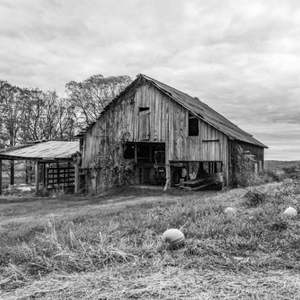
Homeowners and prospective buyers need to know what leads to a house being deemed condemned in Pennsylvania. There are multiple reasons why a house may receive this status, some of which include structural problems and a lack of adherence to requirements set by governing bodies. In the state of Pennsylvania, a house can become uninhabitable for the reasons stated. It is important to understand what a condemned house looks like and how local law may result in its condemnation. This knowledge allows homeowners and investors to take the necessary steps to avoid a house being declared condemned, thereby protecting their investment from losing value.
Signs a House May Be Condemned in Pennsylvania
In Pennsylvania, it is important to know the signs of what can lead to a house being condemned. Important signs include short notices from a municipality about problems related to the property. Problems involving the structure of the property can include cracks in the foundation, wall cracks, old wiring, and repeated backup and breach of the plumbing. These problems can lead to plumbing breaches and sewer leaks when the problems go unresolved, posing a safety hazard. Other safety and sanitary threats are vacant bug-infested properties, especially properties vacant of rodents. Termites and rodents are additional threats to a property, being pests that can cause further infestation of a property.
In Pennsylvania, property owners are legally required to follow certain local building, zoning, fire, and safety codes. Failure to do so can result in an inspection that ends in the construction being condemned. There can be many safety and sanitary threats to vacant properties. They can lead to the municipality being liable. Understanding the problems that can cause a building to be condemned can help the property owner avoid legal issues in the municipality and help ensure the property is free of safety and sanitary threats.
| Indicators | Impact | Solutions | Regulations |
|---|---|---|---|
| Structural Damage | Uninhabitable | Repair or Rebuild | Building Codes |
| Health Hazards | Health Risks | Remediation | Health Standards |
| Zoning Violations | Fines/Legal Action | Compliance Efforts | Zoning Law |
| Utility Issues | Service Loss | Utility Repairs | Utility Codes |
This table highlights the critical signs of property condemnation and underscores the role of local regulations in Pennsylvania.
The Impact of Local Regulations on Condemnation
Understanding condemnation law and local ordinances is imperative for Pennsylvania property owners and investors. Local law violations, and therefore, local law ordinances typically define what constitutes condemnation. Local ordinances can be related to construction and rehabilitation laws, and condemnation could be the direct result of a violation of local ordinances for electrical construction, plumbing, and structurally unsafe conditions, as determined by local municipal inspectors. If a construction site does not comply with local rehabilitation and safety guidelines, it may be deemed unsafe by local inspectors, and repeated violations can lead to municipal condemnation. Therefore, inspectors should be contacted to avoid municipal violations.
Investors and property owners must understand local ordinances to better navigate the market. If local ordinances are understood, then the market can be legally operated without legal injury, and potential construction can be legally operated as injury avoidance to free the property from legal violations. Property owners and investors should regularly engage with local government offices regarding ordinances and laws and advocate to protect legally enforceable restrictions on the exercise of free-market capitalism. Property owners and investors should participate in local government advocacy to legally free the property from municipal laws.
Can You Sell a Condemned House in Pennsylvania?
In Pennsylvania, selling a condemned house is a tough endeavor, but it is not impossible. Condemned houses can still present an opportunity, even though they face obstacles that come with being uninhabitable. Sellers in this state have the option to renovate the house, which is not a financial option, then the house can be sold as-is. This is a complicated area of law, but there are some practical steps that can be taken. With consideration of the law, homeowners can decide to renovate or to sell the property while not violating the law in Pennsylvania.
Exploring Your Options: Renovation vs. Selling As-Is
The decision regarding whether to undertake renovations or sell a condemned house “as is” in Pennsylvania will depend on the budget, time frame, and goals. Renovations do pull in greater offers, which can improve the value of the property. However, it costs a lot to do the repairs. Some types of repairs are structural, electric, plumbing, and even zoning, which could cost many different types of codes in order to bring the property up to the required local codes. Obtaining a professional inspection will help gauge and determine the cost of the repairs. This will help to determine if the repairs are actually worth it.
When compared to the options, selling the house as-is appeals to the majority of people. This will most likely be the cheaper and faster option. Cash buyers are investors who purchase distressed homes and are willing to make the repairs themselves after purchase. Offering the house for sale on the market at a lower price than the market value can entice buyers. They will see the value in the distressed households, which they can then fix and flip. They will see the potential the distressed property holds, which they can then fix and flip. Knowing the local market as well as realtors will help sell the distressed property to buyers who will fix the property quickly. Selling to these buyers will help the homeowners evaluate their time and profits.
Practical Steps to Sell a Condemned Property
The first step to selling a condemned property in Pennsylvania is to know its current value and its legal situation. An appraisal professional will help set a realistic asking price considering the current condition of the home. Because of the complexity of selling a condemned property, it is in the seller’s best interest to cancel any liens, resolve any title issues, and clear any legal matters so these issues do not slow the closing process. Having a complete legal set of documents ready at the beginning of the process helps the transaction go smoothly and lends credibility in the eyes of the buyers.
The advertising strategy is a critical part of selling a distressed property. Selling the property in its current condition to real estate investors and cash buyers can be facilitated simply by creating as-is listings, auctions, or using other digital platforms geared toward investors. Selling residential real estate requires advertising to the public. As a minimum, the public advertisement should include a description of the property, photographs taken recently, and a description of the neighborhood. Although it is not required, most real estate professionals and attorneys advise their clients to hire a real estate professional to expedite the process, especially in their state.
The Role of Real Estate Investors and Cash Buyers
The real estate market relies heavily on real estate investors and cash buyers when purchasing condemned houses in Pennsylvania. They offer distressed property owners liquidity and real estate market knowledge, which can help create a more efficient and more profitable sale. For distressed property owners, collaborating with cash home buyers in Doylestown, PA, and surrounding cities in Pennsylvania can lead to the most expedient sale, bypassing the typical financing delays. This section will delve into how investors help sell condemned properties and how to generate interest from cash buyers. Selling a condemned house comes with its own set of challenges and unique market demands and opportunities. It’s essential to understand these elements to sell your condemned house successfully.
How Real Estate Investors Can Assist in Selling Condemned Properties
Real estate investors help homeowners sell condemned properties faster by buying distressed homes. Not only do they buy homes, but they also pay for them in cash, so there are no financing delays. This is particularly beneficial for homeowners who want to sell their homes quickly, without the lengthy listing time and the expensive holding costs associated with condemned houses.
Additionally, investors help with the homeowners’ parts of the sales by providing direction on necessary improvements to the home that could help it sell. They also help to resolve issues like liens and legal issues so that the home can sell more easily. They do all of this in order to give the homeowners more financial flexibility while also taking the home that the homeowners want to sell and making it more sellable. This is how real estate investors make it possible for homeowners to sell homes that would otherwise be almost impossible to sell.
When selling condemned properties, real estate investors offer many benefits. Their benefits are examined below:
- Fast Sales Process: Investors streamline transactions to help sellers close deals quickly.
- Cash Offers: Many investors pay cash, eliminating financing contingency uncertainties.
- No Repairs: Investors buy properties ‘as-is,’ saving sellers time and money on repairs.
- Experience in Complex Transactions: Investors are familiar with the legal and logistical issues of condemned property.
- Flexible Closing Dates: They allow sellers to set flexible closing dates.
- Transaction Costs: Eliminating real estate experts and other intermediaries reduces transaction costs.
- Negotiation Skills: Investors are good at negotiating, which ensures that everyone gets what they want.
- Avoiding Foreclosure: Property owners can avoid foreclosure and the bad effects it has on their credit by selling to an investor.
Overall, real estate investors help sellers of condemned properties sell them efficiently and effectively.
Attracting Cash Buyers for Condemned Houses in Pennsylvania
The ability to attract cash buyers for condemned properties in Pennsylvania starts with some strategic marketing and the foregrounding of the investment potential of the properties. Many cash buyers prefer distressed properties because they can buy at a lower price and, after renovation, make a profit. Sellers can attract cash buyers by highlighting key selling features of the property, such as its location, nearby amenities, and redevelopment potential. Sellers can build trust in the transaction with buyers by creating transparent listings that contain thorough descriptions of the property, recent photos, and honest disclosures regarding the state of the property.
Promotion of the property on as-is marketplaces, real estate auctions, and more specifically, on investment-focused sites, in addition to the use of real estate professionals who have experience with distressed properties, can improve the sale of the property significantly. Additionally, local investor groups can improve exposure even further. To maintain a clear message, focus on local laws and future value, and, most importantly, motivated cash buyers will be drawn to the distressed property, making the sale quick and easy.
Selling a condemned house in Pennsylvania requires strategy and knowledge of local laws. Even in difficult situations, homeowners can find buyers by preparing the necessary documentation, addressing safety concerns, and working with experienced real estate professionals. Selling to cash buyers or developers can speed up the process and make it easier. Selling a condemned property in Pennsylvania is possible and can lead to financial freedom with the right knowledge and support. If you’re ready to sell, contact Swift Cash House Buyer for expert advice and more information.
Need to sell a condemned house in Pennsylvania? Avoid expensive repairs, long delays, and unnecessary stress with a simple, hassle-free selling process. Swift Cash House Buyer is here to help by providing fair cash offers and handling every detail from start to finish. Whether your property has code violations or major damage, we make selling easy and straightforward. Ready to explore your options or have questions? Call us at (610) 590-9845 for a no-obligation offer and get started today!
FAQs
What are the critical initial steps in selling a condemned house in Pennsylvania?
If you want to sell a condemned house in Pennsylvania, get an accurate appraisal. Avoid liens and legal encumbrances to make the transaction easier. This prep sets a realistic asking price and prepares the house for sale.
What are some common reasons for house condemnation in Pennsylvania?
Officials condemn houses for safety violations or uninhabitability. Common causes include foundation issues, electrical hazards, plumbing issues causing sewage leaks, mold, and pests. They violate local housing codes and safety.
How do local regulations impact the sale of condemned properties in Pennsylvania?
Local Pennsylvania regulations greatly impact property condemnation and sale. Construction, zoning, and safety codes must be followed. These regulations must be followed to avoid penalties or repairs before sale. Knowledge of these laws prevents legal issues and streamlines transactions.
What options do homeowners have for selling a condemned property?
Sell the property as-is or renovate to increase its value. Renovations can be expensive and time-consuming but fetch higher prices. Selling as-is attracts investors and cash buyers seeking renovation projects, creating faster and simpler sales processes.
How can investors sell condemned properties?
Real estate investors remodel and sell properties to maximize value. Instead of financing, they can buy properties outright. Assessing and improving condemned properties can boost sale value and speed up the process.
Helpful Pennsylvania Blog Articles
- Can I Switch Real Estate Agents in Pennsylvania?
- Can You Sell a House That Failed Inspection in Pennsylvania?
- How to Sell a House with a Squatter in Pennsylvania
- How to Sell a House with Mold in Pennsylvania
- Selling My Parents’ House in Pennsylvania
- Taxes When Selling an Inherited Property in Pennsylvania
- Can an Executor of a Will Sell Property in Pennsylvania?
- Selling a Condemned House in Pennsylvania
- How Much Does a Realtor Charge to Sell a House in Pennsylvania?