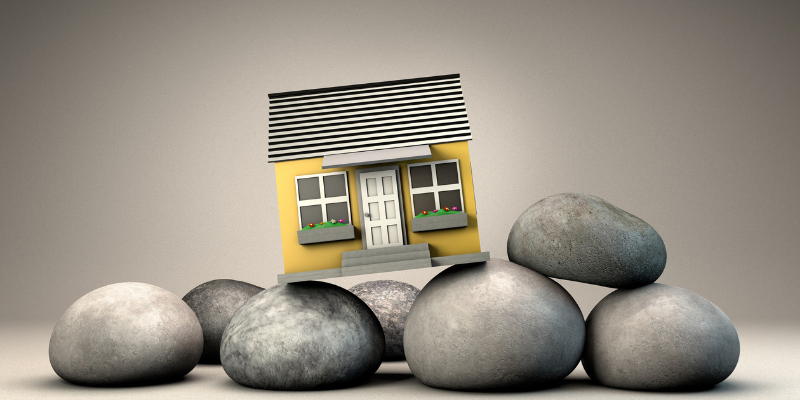
Selling a house with foundation issues in North Carolina is different from a typical home sale. That’s to be expected given that foundation issues are a major structural concern that affects not only your home’s value but also the whole selling process.
The good news is that it is still sellable. Yes, your buyer pool may be limited, and you may be asked for repair concessions, but there are specific buyers looking for houses with structural issues similar to yours. Check out this guide to learn more, or see how we buy houses if you would rather skip the repairs and sell as-is.
Are Foundation Issues Common in North Carolina Homes?
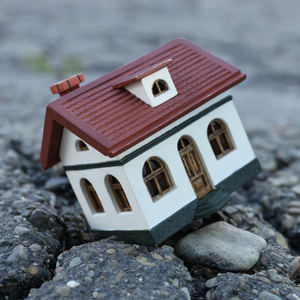
Yes, foundation issues are common in North Carolina homes. Since the state has a diverse geography, homes are highly susceptible to settling and soil expansion. The main culprits are the expansive clay soil in Piedmont and the shifting soils along the coast. They swell and shrink with the seasons, which puts pressure on your home’s foundation.
If you suspect that your North Carolina home has foundation issues, have your home evaluated by a structural engineer right away. They can tell you whether your house is in need of repairs or if the damage is less severe than you thought. Their guidance makes a big impact, especially if you plan to sell your home.
Signs of Foundation Issues in North Carolina Homes
Foundation issues show up in North Carolina homes more often than you might think, so keep an eye out for the following signs.
Cracks in Foundation Walls
Those tiny hairline cracks that run vertically on your walls are totally normal, especially if your house is relatively new. Your foundation is still settling, causing those tiny cracks in the plastering. However, if your walls have large horizontal cracks wide enough to fit a finger into, you may be in trouble. Those horizontal cracks may mean that the soil is literally shoving your walls around.
Bowing or Leaning Walls
Bowing and leaning walls are usually seen in the basement and crawl spaces. The soil outside is pushing too hard, putting too much pressure on your walls. This is a huge concern because it affects your home’s overall stability.
Slab Cracks and Settlement
If your house has slab cracks, you’ll spot gaps between your walls and floor as well as cracks on your floor tiles. Since most North Carolina homes are built on concrete slabs, when the soil underneath settles, the slab can move with it. You may also notice that one side of your house is lower than the other. That’s usually because of uneven soil movement underneath.
Pier and Beam Issues
Many older homes and coastal properties in North Carolina have pier-and-beam foundations, and unfortunately, the humidity in this state affects their structural integrity. It’s common for the piers to sink due to the soft clay soil and the wooden beams to rot out as well. This will make your floors sag.
Crawl Space Problems
Crawl spaces are moisture magnets. If you don’t have good drainage, you’ll end up with standing water that can weaken the soil holding your house up. Plus, you’ll also have to deal with wood rot and mold.
Brick Veneer Cracking and Separation
When there’s poor drainage, the soil swells when it’s wet and shrinks when it dries. This expansion and contraction create uneven pressure on the footings of your home, which results in brick veneer cracks and separation.
Foundation Settlement in Older North Carolina Homes
North Carolina has sandy soils and moisture-sensitive clays that compress, shift, and erode over time. Older homes are especially prone to settling because they were built at a time of less rigid building codes and compaction standards. The ground may naturally compress under the weight of the home and sink over time.
Can You Sell a Home with Foundation Issues in North Carolina?
Yes, you can sell a house with foundation issues in North Carolina. Foundation issues don’t make your house unsellable, although you’ll want to be strategic when selling.
Some traditional buyers are willing to buy houses with foundation issues as long as the price reflects the condition. Meanwhile, investors and cash buyers are typically less focused on the current state of your house. They buy houses with various structural problems all the time.
You still have disclosure to handle. North Carolina’s Residential Property Disclosure Act requires you to hand the buyer a disclosure statement before they make an offer, and Step 4 below walks through what goes on that form.
Should You Fix Foundation Issues or Sell As-Is?
Whether you should fix your home’s foundation issue before selling depends on the state of the damage, its cost, and the time you have.
If the foundation problem is on the minor end and can be repaired for under $15,000, making the repairs may help you sell at a better price. This way, you can target traditional buyers who are looking for move-in-ready homes. Just make sure you keep all the receipts and warranties to show the buyer when they start asking.
On the other hand, if repairs will cost more than $15,000, selling as-is may make more sense. You will accept a lower price in exchange for a faster sale, and you can avoid the time and coordination of permits and contractors. If the foundation is only part of what needs work, here’s how to sell your house in bad condition without losing money.
How Much Do Foundation Issues Affect Your Home’s Value in North Carolina?

In North Carolina, foundation issues usually knock 10% to 30% off your home’s market value. That percentage can even increase if the problem is really that bad.
To give you a clear picture, a house worth $350,000 might sell for only $245,000 to $315,000 if it has foundation issues. Of course, the exact amount would still depend on the severity of the problem and how much it realistically costs to fix it. You might lose less if you’re in a seller’s market and homes are selling fast.
How Much Does Foundation Repair Cost in North Carolina?
The cost of repairing your foundation in North Carolina varies depending on the severity of the problem. Here’s a quick overview:
| Type of Foundation Repair | Cost |
|---|---|
| Sealing minor cracks | $250 to $800 |
| Mudjacking to lift a settled slab | $500 to $2,500 |
| Repairing bowing walls with steel beams or carbon fiber | $4,000 to $15,000 |
| Foundation piers for serious settling | $1,000 to $3,000 per pier |
Aside from the repairs mentioned above, you also have to pay extra fees for the following:
| Extra Work | Cost |
|---|---|
| Structural engineer inspection | $300 to $800 |
| Building permit | $100 to $500 |
| Crawl space waterproofing/adding vapor barriers | $2,000 to $10,000 |
| Removing a tree (if tree roots are causing the foundation issue) | $500 to $2,000 |
How to Sell a House with Foundation Issues in North Carolina
You can sell your house with foundation issues more effectively if you follow these steps.
Step 1: Get a Professional Foundation Inspection
First off, contact a structural engineer. They’ll inspect your property and tell you exactly what needs to be repaired. A structural engineer is better suited to this kind of assessment than a general home inspector, and buyers tend to put more weight on their reports.
Hiring a structural engineer will cost you $300 to $800, but in return, you receive proper documentation of your foundation issues. They’re the best starting point when making repairs.
Step 2: Get Repair Estimates from Licensed Foundation Repair Contractors
After identifying your home’s foundation issues with the help of a structural engineer, get repair quotes from several contractors to compare prices. Take time to vet each one before hiring.
Make sure the foundation repair contractor is licensed and that they have extensive experience doing the type of construction work you need. Check their Google reviews and social media pages as well.
Even if you’re not making repairs, your buyers will want to see the estimates you gathered because they will be the basis for their offer price.
Step 3: Choose Your Selling Strategy
Now it’s time to choose whether to fix the foundation issue or sell as-is. To decide, look at the repair estimates you’ve gathered. Will making repairs help increase your home value significantly? And more importantly, can you afford the repairs right now? If your answer to both questions is yes, go ahead and fix the issues. Don’t forget to save every single receipt and piece of paperwork and take before-and-after photos to show your buyers.
On the other hand, if you don’t have the budget for repairs right now, you may be better off selling as-is. You can sell as-is traditionally; just disclose the foundation issue in your listing and factor the repair costs into your pricing. However, if you need to sell fast, we buy houses in North Carolina and can close in as little as 14 days.
Step 4: Comply with North Carolina’s Disclosure Requirements
North Carolina law requires you to give the buyer a completed Residential Property and Owners’ Association Disclosure Statement before they make an offer. The form carries a “No Representation” option on every question, so the state does not force you to describe the foundation. What you cannot do is answer falsely, and a false answer is what gets sellers sued.
The same holds if the foundation has already been repaired. Checking “No Representation” covers you under the Act, but actively hiding a repair or giving a false answer about one can still bring a fraud claim later. Most sellers are better off answering plainly and handing over the receipts.
Step 5: Price Your Property Appropriately
If you’re selling your house with foundation issues as-is, you need to price 10% to 30% below fair market value. The repair quotes you’ve gathered initially will help determine the exact price adjustment you’ll make.
Meanwhile, if you have already fixed the foundation issues, you can price close to market value. However, expect some pushback because buyers may be concerned about the future recurrence of the issue.
Step 6: Market to the Right Potential Buyers
Focus your marketing on the buyers most likely to make an offer. Cash home buyers in Raleigh, NC, cash home buyers in Greensboro, NC, and real estate investors who purchase properties regardless of condition are usually the best fit for a home with foundation issues. Buyers using FHA loans typically have a harder time financing homes with structural issues, so your time is better spent on the audience built for this kind of sale.
Cash buyers will still factor repair costs into their offer, which is reflected in the price. The trade-off is a faster, simpler closing.
What Happens If You Don’t Disclose Foundation Issues in North Carolina?

If you don’t disclose the foundation issue in your North Carolina home, you may face legal action. A buyer who can show you knew about the defect and hid it can sue for fraud or breach of contract, which can mean lawsuit costs and damages.
Nondisclosure is significantly more costly in the long run, so it’s best to be honest with your buyer and avoid legal complications.
Potential Issues When Selling a House with Foundation Problems
Financing Challenges for Potential Buyers
Your buyer pool shrinks because most traditional buyers will have difficulty obtaining financing. FHA and VA loan programs have strict requirements regarding properties with foundation issues. If the appraiser flags structural concerns, the buyer’s lender may deny their loan, causing the sale to fall through. Cash sales avoid this step entirely, since they do not rely on lender approval.
Appraisal Problems and Lender Requirements
Even if you found a traditional buyer willing to purchase your home, the mortgage lender might not approve the loan. Banks require appraisers to note structural defects, and if a foundation issue is reported, lenders may refuse funding entirely or require repairs before closing. This can complicate your sale timeline.
Dealing with Low Offers and Extended Time on Market
Selling a home with foundation issues usually means offers come in lower than for a comparable move-in-ready home. Buyers who are comfortable with structural work will factor the repair costs into their offer, which is reasonable on their end. Listing a house with foundation issues traditionally with a realtor also tends to take longer than a typical sale. Before you turn down a low number, look at when it makes sense to sell your house for less than appraised value.
Buyer Inspection
Once a buyer’s home inspector flags the foundation issue, they’ll usually ask for a price reduction or request that you cover repairs. Sometimes a buyer may decide to walk away from the sale entirely. This is where your structural engineer’s report and contractor estimates may be useful. You can negotiate more confidently with those documents in hand.
Foundation Settlement Concerns That Stall Closings
Even close to closing, foundation issues can stall things. A buyer may have second thoughts, or a lender may pause funding. This is one of the trickier parts of selling a home with structural concerns, so it helps to plan ahead with strong documentation and clear communication with the buyer. If you’d rather not risk a closing that stalls, we buy houses in Winston-Salem, NC, with the foundation as it stands.
Frequently Asked Questions About Selling a House with Foundation Issues in North Carolina
Is a cracked foundation a deal breaker for North Carolina buyers?
A cracked foundation is not always a deal breaker when you sell your home. Those small vertical hairline cracks are usually just cosmetic and won’t scare off serious buyers. However, large horizontal cracks or bowing walls may affect the sale. If the damage is severe and you’re selling to traditional buyers with financing, they may back out entirely. Cash buyers, on the other hand, aren’t easily spooked, and they’ll still buy your house.
Is it expensive to fix a cracked foundation in North Carolina?
It depends on how bad the damage is. Sealing minor cracks can cost as little as $250. However, if you’re dealing with bowing walls or serious settling that needs piering, that may cost $15,000 or more. Have a structural engineer assess the damage first before assuming the worst.
What happens if you have foundation problems?
If left alone, foundation problems get worse over time. The damage may get to a point where it’s no longer repairable, and your house would no longer be safe. Beyond the structural damage, foundation problems affect your home’s value and make it harder to sell. The sooner you address the foundation issue, the better off you’ll be.
How long does it take to sell a house with foundation issues in North Carolina?
It depends on how you’re selling. If you’re selling traditionally, your home can sit on the market longer than average, like a few months to a year. This is because buyers are cautious, and negotiations can take longer.
If you sell as-is to a cash buyer, you can sell much faster and avoid closing costs and fees. Most cash buyers can close in as little as 14 days since there are no lender requirements and no lengthy inspection contingencies to work through.
Selling a House with Foundation Problems in North Carolina
It’s possible to sell a house with foundation issues in North Carolina, but the path looks a little different than a typical home sale. Answering the disclosure form honestly is non-negotiable, and your buyer pool will be smaller than usual.
If the foundation damage isn’t that expensive to fix, you may want to make repairs for a better selling price. However, if it’s more than you can afford right now, Swift Cash House Buyer is here to help. Contact us at (610) 590-9845 to get started. We pay cash for houses with foundation issues, so you don’t have to worry about your buyer’s financing falling through. Fill out the form below to get your no-obligation cash offer.