Understanding Mold Issues When Selling Property in Pennsylvania
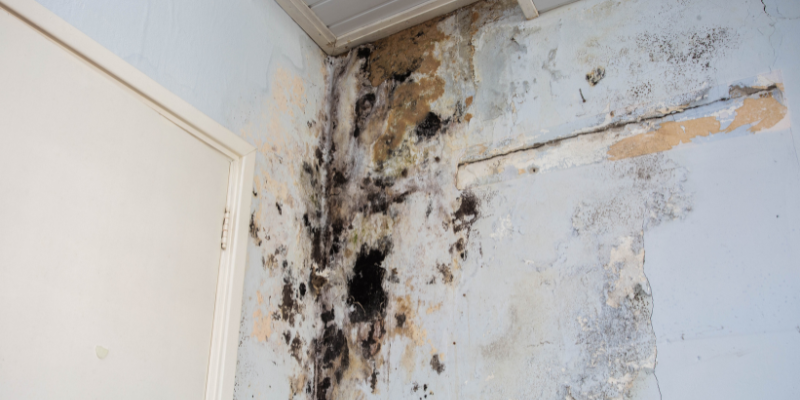
Mold isn’t just an aesthetic problem. It’s a health hazard, a structural threat, and a legal liability all rolled into one. Pennsylvania requires sellers to disclose known material defects to prospective buyers, and mold qualifies as a material defect when it affects habitability, structure, health, or property value.
This means if you know about mold, you shouldn’t simply cover it up with paint and hope for the best. The state takes disclosure seriously. Pennsylvania law requires sellers to be transparent about known defects, including mold problems and water-related conditions that are likely to affect property value or safety.
But here’s what most agents won’t tell you: knowing about mold doesn’t mean you can’t sell. It’s legal to sell a house with mold. There are no federal laws against selling houses with mold, though some states do require the seller to disclose whether a home has had past or present mold issues.
The keyword here is “known.” Pennsylvania law only requires sellers to disclose known defects. You are not liable for unknown mold growth if you genuinely had no knowledge. However, if you’ve seen signs or should reasonably have suspected mold, a buyer could argue you should have known.
Common Types of Household Mold Found in Pennsylvania Homes
Pennsylvania’s climate creates perfect conditions for several mold species. Warm summers with high humidity levels make mold like Aspergillus and Stachybotrys, commonly known as black mold, ubiquitous in the area.
Black mold gets all the attention, but it’s not the only concern. You’ll also find Cladosporium, which can grow both indoors and outdoors, and Penicillium, which thrives in water-damaged materials. Each type presents different health risks and removal challenges.
Stachybotrys chartarum, the infamous black mold, is particularly problematic because it produces mycotoxins. These toxic compounds can cause respiratory issues, neurological problems, and immune system suppression. Black mold, also known as Stachybotrys chartarum, can cause greater concern.
Aspergillus is another common Pennsylvania mold that ranges from relatively harmless to dangerous depending on the species. Some varieties produce aflatoxins, which are carcinogenic. The challenge with Aspergillus is that it can look similar to less harmful molds, making professional identification crucial.
Climate Factors Contributing to Mold Growth in Pennsylvania Houses
Pennsylvania’s weather patterns create a perfect storm for mold growth. Our humid summers, combined with temperature fluctuations, provide ideal conditions for spore germination and spread.
Philly’s summer humidity only makes matters worse, and leaks from those classic flat roofs don’t help either. But it’s not just Philadelphia. Pittsburgh’s river valleys trap moisture, while rural areas deal with poor ventilation in older farmhouses.
The state’s housing stock compounds the problem. The city’s housing stock is among the oldest in the nation. Many homes predate modern ventilation systems and feature plaster walls or brick basements that trap moisture.
Seasonal patterns matter too. Spring brings melting snow and rain, summer delivers high humidity, fall creates temperature swings that cause condensation, and winter heating systems can create moisture imbalances. Each season presents unique mold risks that Pennsylvania homeowners must navigate.
Health Risks Associated with Residential Mold Exposure
Mold exposure isn’t something to take lightly. There are various health risks associated with toxic mold, such as respiratory distress and carcinogens, with some molds even causing damage to your nervous system.
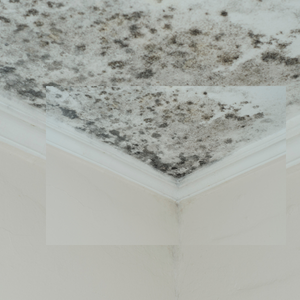
Short-term exposure can cause coughing, sneezing, throat irritation, and skin rashes. People with asthma or allergies face more severe reactions, including breathing difficulties and chest tightness.
Long-term exposure presents more serious concerns. Chronic respiratory problems, memory issues, and immune system suppression can develop over time. Children and elderly individuals face higher risks, as do people with compromised immune systems.
The legal implications are significant, too. If you sell a house knowing about mold problems without proper disclosure, you could face lawsuits from buyers who develop health issues. There could be potential for a lawsuit if the mold is considered a health or safety issue under local law and the seller, knowing about it, didn’t disclose it.
DIY Mold Detection Methods for Homeowners Preparing to Sell
Before you call in the professionals, you can do some detective work yourself. Start with your nose. Musty, earthy odors often indicate hidden mold, especially in basements, crawl spaces, and behind appliances.
Visual inspection comes next. Look for discoloration, water stains, or fuzzy growth on walls, ceilings, and around windows. Don’t forget less obvious spots like the back of drywall, under carpets, and inside HVAC ducts.
Check moisture levels with an inexpensive humidity meter. Readings consistently above 60% create ideal mold conditions. Pay special attention to areas with poor ventilation or recent water damage.
Document everything you find. Take photos, note locations, and record dates. This information will be valuable whether you’re hiring professionals or preparing disclosure documents for potential buyers.
However, DIY detection has limits. Mold can hide inside walls, under flooring, and in other inaccessible areas. Not every case of mold is obvious, and many homeowners do not realize mold is hidden behind walls or under flooring.
Professional Mold Inspection Services for Home Sellers
Selling requires thorough mold inspections from professionals. Typical mold inspection costs $650. For small to medium-sized homes, mold inspection costs $300 to $400, and for larger homes, $700 to $1,000.
Certificated inspectors use moisture meters, infrared cameras, and air sampling devices. Their ability to find mold in hidden areas and identify its species affects health risks and remediation costs.
Visual assessment, moisture mapping, air quality testing, and surface sampling can take 2-4 hours. Your report will include findings, recommendations, and remediation costs.
When sellers suspect mold, it is wise to obtain a mold inspection before selling a house to avoid disputes later. This proactive approach protects you legally and helps you make informed decisions about remediation versus selling as-is.
Choose inspectors certified by organizations like the American Council for Accredited Certification (ACAC) or the Institute of Inspection, Cleaning, and Restoration Certification (IICRC). Avoid companies that both inspect and remediate, as this creates a conflict of interest.
Basement and Crawl Space Mold Issues in Older Pennsylvania Homes
Pennsylvania’s older homes have unique basement and crawl space issues. Many basements and crawl spaces in the city provide hiding places for infestation.
Moisture penetrates pre-1950s stone foundations. Pennsylvania’s high water tables and poor foundation drainage cause persistent dampness. Rowhouses, historic brownstones, and basements collect water like that’s their job.
The crawlspace presents different challenges. Dirt floors, poor ventilation, and ground moisture encourage mold. Many Pennsylvania homes have unsealed and unventilated crawl spaces with moisture issues.
These areas need root-cause remediation, not just mold treatment. The crawl space may need waterproofing, drainage, ventilation, or vapor barriers.
Good news? Basement mold removal costs $500–$3,000, but wood paneling or finished walls affect costs. Crawl space remediation is generally cheaper than whole-house treatment.
Cost-effective Mold Remediation Strategies for Pennsylvania Homeowners
Mold remediation costs vary widely based on scope and location. On average, mold remediation in Philadelphia, PA, will set homeowners back $2,438, with prices typically ranging between $1,298 and $3,661, depending on the issue’s magnitude.
For smaller areas, some mold removal specialists estimate it costs $2.50 per square foot to remove mold, according to Xactimate, a software estimating program used by mold removal specialists and insurance agents. This gives you a baseline for budgeting purposes.
Larger projects cost more but often provide better value per square foot. In Cuddy, PA, mold remediation typically costs between $1,500 and $6,000, with some severe cases reaching as high as $10,000. Costs vary based on the location, size of the infestation, and extent of damage.
Here’s my cost-saving strategy: get multiple quotes and understand what’s included. Some companies charge extra for containment, disposal, and post-remediation testing. Others include everything in their base price.
Consider partial remediation if you’re selling as-is. You might only treat the most visible or dangerous areas, then disclose the remaining issues to buyers. This approach can cut costs by 50-70% while still addressing major health concerns.
Timing matters too. Remediation companies are often less busy during winter months, which can mean better prices and faster scheduling.
Post-remediation Testing and Certification for Home Sales
After remediation, you need proof that the job was done right. Post-remediation testing verifies that mold levels have returned to normal and provides documentation for potential buyers.
Remember to ask your mold remediation specialist for a mold-free certificate. This certificate becomes a powerful selling tool, showing buyers that you’ve addressed the problem professionally.
The testing process involves air sampling and surface testing in treated areas. Results should show mold spore counts at or below outdoor levels, indicating successful remediation.
Don’t skip this step. Buyers’ lenders often require mold clearance certificates before approving mortgages. Many lenders require mold clearance reports before funding mortgages. Having this documentation ready can prevent delays and deal cancellations.
Keep all remediation documentation, including contracts, invoices, before-and-after photos, and clearance certificates. Save the paperwork (invoice from contractor, scope of work, date of remediation, and certificate of safety, as well as any permits or inspections from the city). These documents will help expedite your sale.
Pennsylvania Real Estate Disclosure Laws for Mold Problems
Pennsylvania’s disclosure laws are straightforward but strict. Pennsylvania sellers of homes and individual condominium units must, by law but with some exceptions, advise potential buyers of the property about “known material defects” that are not readily observable, including structural problems, hazardous substances, and more, before the sale is completed.
The key phrase is “known material defects.” If you’ve discovered mold, had it professionally identified, or even strongly suspect its presence, you must disclose it. The law specifically states that “the seller shall not make any representations that the seller or the agent for the seller knows or has reason to know are false, deceptive, or misleading.”
Most Pennsylvania sellers use the standard Seller’s Property Disclosure Statement. Most Pennsylvania home sellers use the Pennsylvania Association of Realtors version of the Seller’s Property Disclosure Statement. It lists not only the minimum statutory questions but also additional ones.
The form asks about water problems, moisture issues, and environmental hazards. Be thorough and honest in your responses. Include details about remediation efforts, ongoing moisture issues, and any areas of concern.
Exceptions exist for certain sellers, including executors of estates and builders selling new construction where no one has lived before. But for typical homeowners, disclosure is mandatory.
Real Estate Agent Responsibilities Regarding Mold Disclosure
Your real estate agent has disclosure obligations too. State law can require sellers to disclose mold issues. They also explicitly require a real estate agent to disclose information on mold to prospective purchasers.
Agents must share any material facts they know about the property, including mold issues. They can’t help you hide problems or downplay their significance. Good agents will actually encourage full disclosure to protect both you and themselves from liability.
Choose an agent experienced with mold issues. They should understand Pennsylvania’s disclosure requirements, know how to present problems in the best light, and have relationships with qualified remediation professionals.
Some agents will push you to fix everything before listing. Others might suggest selling as-is. The right approach depends on your specific situation, timeline, and budget. A knowledgeable agent can help you weigh these options.
If you’re working with a company like Swift Cash House Buyer, agent responsibilities become less relevant since you’re dealing directly with the buyer. This can simplify the process and reduce some disclosure complexities.
How Mold Affects Home Value and Sale Price in PA
Mold affects home values in many ways. Mold lowers your home’s real estate value by 10%. The impact depends on location, extent, and remediation.
In November, Pennsylvania’s median sales price reached $305,000. That means a typical Pennsylvania homeowner dealing with significant mold damage could lose about $30,500 in value if buyers demand a 10% price reduction.
Present market conditions provide some cushion. The median market days were 46, up 4% year over year. While homes are selling more slowly, the market is active enough to move properly disclosed and priced properties.
Mold remediation affects value differently than infestations. Active mold can reduce property value by 15-20% or make it unsellable through traditional channels, while a house with professional remediation and clearance certificates may only lose 2-5%.
Location in Pennsylvania matters. Last month, the median Pittsburgh home sale price was $240K, up 5.5% from last year. Mold-related value losses are less significant in Pittsburgh than in suburban Philadelphia. If your home has structural or visible damage beyond mold, check out our complete guide on How To Sell Your House In Bad Condition Without Losing Money to explore more cost-saving strategies.
Buyer’s Rights Regarding Mold Discovery During Home Inspections
Buyers have significant rights when mold is discovered during inspections. Most purchase contracts include inspection contingencies that allow buyers to cancel or negotiate repairs based on findings.
With this type of contingency, you might be able to cancel your contract if the home inspection reveals an environmental hazard, including mold. This protects buyers but creates uncertainty for sellers.
Smart buyers will hire mold specialists as part of their inspection process, especially in Pennsylvania’s humid climate. These specialists can detect problems that general inspectors might miss.
If mold is discovered during inspection, buyers typically have several options: cancel the contract, negotiate price reductions, or require remediation before closing. If there is a mold issue, you may have room to come to an agreement that it be fixed before you purchase the home. The seller would then typically be responsible for fixing the cause of the mold and may have to make HVAC updates or purchase and install a dehumidifier in some cases.
Mortgage lenders add another layer of complexity. Even if you’ve decided to buy a home with mold, if you’re planning to secure a mortgage, your lender may not be willing to finance the home until the mold is treated and removed.
Negotiating Sale Terms When Mold Problems Are Present
Successful negotiation starts with full disclosure and realistic expectations. Don’t try to hide problems or minimize their significance. Buyers will discover issues during inspection anyway, and attempted concealment destroys trust and negotiating position.
Present solutions along with problems. If you’ve gotten remediation quotes, share them with potential buyers. If you’ve already completed some work, provide documentation. This shows you’re dealing with issues responsibly.
Consider offering credits instead of completing repairs yourself. Buyers often prefer to choose their own contractors and oversee work quality. A credit gives them flexibility while potentially costing you less than retail remediation prices.
Price your home appropriately from the start. You may find that offers are lower than what you could get if the house didn’t have a mold problem to begin with. But realistic pricing attracts serious buyers who understand they’re getting value despite the issues.
Be prepared for longer marketing times. Listing a house on the MLS with an agent may get you some lower offers that may only tie up the property for months and then ultimately fall apart at the last minute. Mold issues complicate financing and can cause deals to collapse.
Alternative Selling Options for Mold-damaged Properties
Options exist beyond MLS listings, especially if you’re trying to sell your house fast in Pennsylvania without dealing with repairs. There may be better options for your situation and timeline.
Cash buyers are easiest. Mold is a common reason mortgage companies reject properties with major issues. Loan restrictions don’t affect cash buyers.
Mold-focused companies, like cash home buyers in Pennsylvania, buy properties. They understand the issues, price accordingly, and close quickly without financing. Traditional sales are uncertain and delayed.
Investor sales are another decision. Property investors look for problems they can fix and flip or rent. Unlike typical homebuyers, they know remediation costs and are less emotional about mold.
Auctions can sell severely damaged properties when traditional marketing fails. Auctions are certain and fast, despite lower prices.
In desirable locations, sell to developers who can demolish and rebuild. It may be cheaper to buy land than to fix structural mold.
Insurance Coverage for Mold Damage in Pennsylvania Properties
Insurance coverage for mold is complex and often misunderstood. Most standard homeowners’ policies exclude mold damage unless it results from a covered peril, like burst pipes or storm damage.
You can find out if your homeowner’s insurance policy covers mold remediation by checking your policy. Some policies cover mold removal costs if the mold growth results from an unforeseeable circumstance, such as water damage from a burst pipe.
The key distinction is between “sudden and accidental” water damage versus gradual seepage or maintenance issues. A burst pipe that causes immediate flooding and subsequent mold growth might be covered. Mold from a slow leak you ignored for months typically isn’t.
Review your policy carefully and understand the limitations. Some insurers offer mold coverage as an endorsement for an additional premium. This coverage usually has low limits, often $10,000 or less.
If you have a covered claim, document everything. Take photos before and after remediation, save all receipts, and work with your insurance company throughout the process. This documentation also helps with future sales.
Be aware that filing mold claims can affect future insurability. Some insurers won’t renew policies after mold claims, while others might exclude mold coverage going forward.
Seasonal Mold Prevention Tips for Pennsylvania Property Owners
Always, prevention is cheaper than correction. Pennsylvania’s seasons require year-round vigilance and seasonal strategies.
To prevent spring, manage snowmelt and rain. Check for winter damage that could allow water in, clean gutters and downspouts, and drain foundations. As temperatures rise, check the crawl space and basement humidity levels.
In summer, humidity control is crucial. Basement and crawl space dehumidifiers, shower exhaust fans, and attic ventilation are needed. Indoor humidity should be below 60%.
Fall preparation involves sealing air leaks that can cause condensation, servicing heating systems, and cleaning HVAC ducts. This is also ideal timing for exterior maintenance like caulking and weatherproofing.
Winter heating can create moisture imbalances. Ensure proper ventilation, avoid over-humidifying, and watch for condensation on windows and cold surfaces. Ice dams can cause water intrusion and subsequent mold growth.
Year-round vigilance includes regular inspections, prompt repair of leaks, and maintaining proper ventilation. Address small problems before they become major issues requiring expensive remediation.
Frequently Asked Questions
Can You Sell a Moldy Pennsylvania Home?
Moldy houses can be sold in Pennsylvania. Selling a moldy house is legal. Selling the home is legal if the buyer understands and proper disclosure is provided. Buyers must be informed of mold issues.
What Level of Mold Makes a House Uninhabitable?
Mold does not legally make a Pennsylvania home “uninhabitable” on its own. Significant black mold infestations, especially those affecting HVAC systems or large living areas, can make properties unlivable for health and safety reasons. Lenders may not finance severely damaged properties, making them unsellable to traditional channels.
What Devalues a House the Most When Selling?
Mold lowers your home’s real estate value by 10%. Structural, foundation, electrical, and plumbing issues can reduce value even more. The severity, location, and professional resolution and documentation of issues determine the impact.
What Should You Not Fix Before Selling a House?
Don’t DIY mold removal before selling. Mold can survive and grow in porous materials like wood, drywall, and carpet padding because over-the-counter sprays and bleach don’t penetrate. Improper remediation can worsen issues and increase liability. Hire professionals or let buyers fix it.
Pennsylvania mold-damaged homes can be sold with the right approach. If you choose professional remediation, sell as-is to a traditional buyer, or work with a cash buyer, honesty and realistic expectations are key.
I’ve seen homeowners worry about mold for months, spend thousands on repairs, and get offers similar to selling AS-IS. Sometimes sellers hide problems and get into legal trouble when buyers find them.
Optimal approach? Communicate, understand your options, and pick the one that fits your timeline and budget. Contact Swift Cash House Buyer about your situation and options today. If you’re looking for cash home buyers in Pennsylvania and nearby cities, I’ve bought Pennsylvania houses for years and can offer honest advice without pressure.
Helpful Pennsylvania Blog Articles
- HOA Foreclosure Rights in Pennsylvania
- How To Sell Your House With Mold Problems In Pennsylvania
- FSBO Costs in Pennsylvania
- Taxes When Selling an Inherited Property in Pennsylvania
- Can an Executor of a Will Sell Property in Pennsylvania?
- Selling a Condemned House in Pennsylvania
- How Much Does a Realtor Charge to Sell a House in Pennsylvania?
- How To Sell A House With A Code Violation In Pennsylvania
- Selling a House During a Divorce in Pennsylvania